
A Wonder-Filled Advent

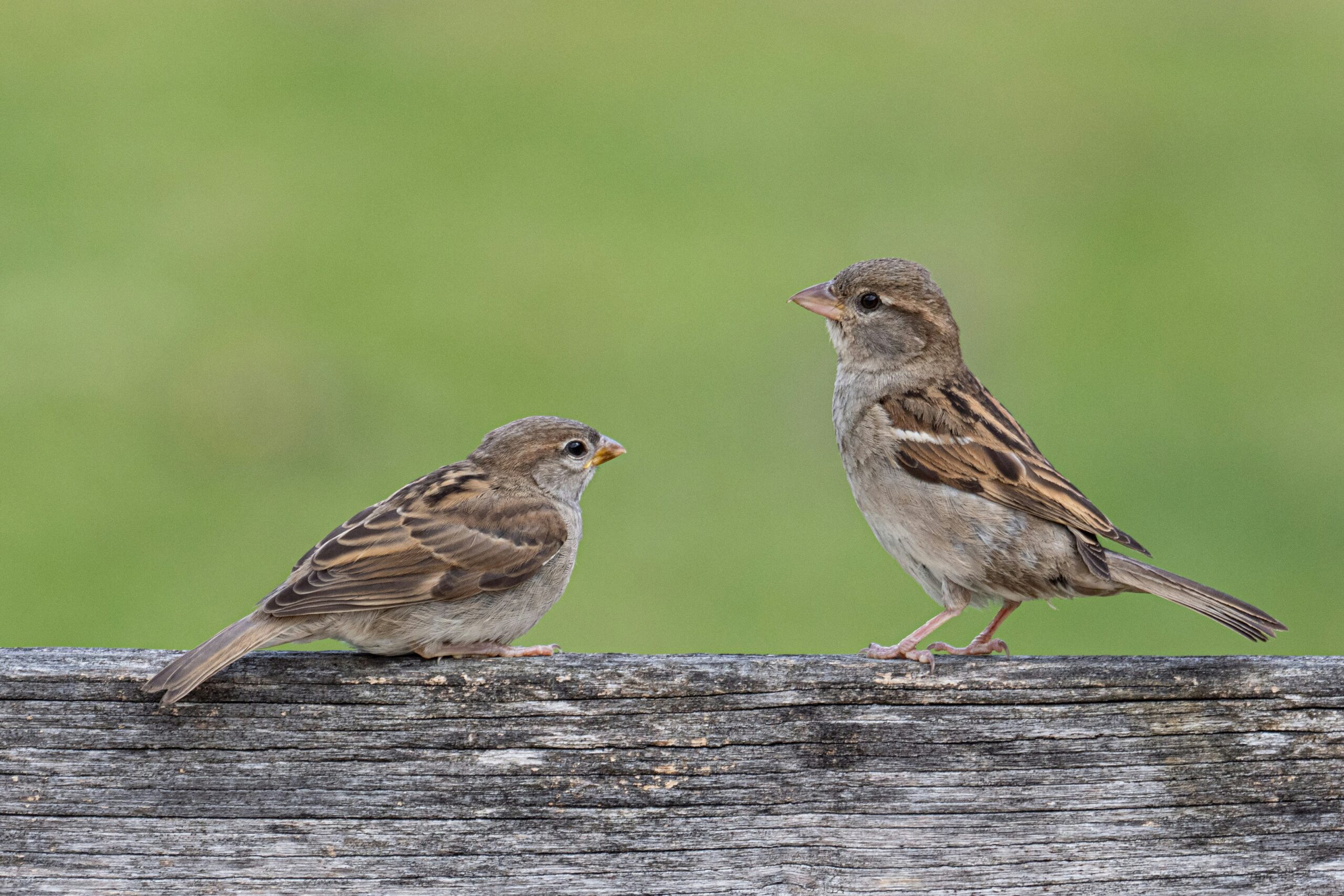
MARIA CURREY | CONTRIBUTOR What sparks wonder in your mind and heart? Psalm 77:11-12 is our call to WONDER! “I will remember the deeds of the LORD; yes, I will remember Your wonders of old.” Oh, that this will be an Advent season of wonder for you! When you consider who God is and what He’s done for you, how do you behold Him in amazed wonder and awe? Childlike Wonder Children understand what WONDER means. They are filled with wonder over the smallest things: the feathers of a bird, the amazing, assorted animals at the zoo, the yummiest flavors, a creeping caterpillar. Meandering our way through the wonder of their favorite animals, my grandchildren enjoy many-striped zebras, long-necked willowy giraffes, floppy-eared, giant grey elephants, all created by our God of wonder. How about favorite childhood flavors? My mom is a 92-years-young woman of wonder; she was a foodie before they were named as such. She happily lavishes favorite flavors on her family, lovingly making rhubarb custard pie for my oldest brother, carrot pudding and vanilla sauce for the youngest, all thoughtful flavors of wonder. These lighter-level delights make me think that in a much grander and more WONDER-filled way, God loves us. He surrounds us with wonder in all of His Creation, lavishing us with tangible reminders of His wondrous love!...

A Wonder-Filled Advent2025-11-22T18:29:46+00:00

A Fear Unlike Any Other

CHRISTINA FOX|EDITOR When I was a child, there was a song titled “One of These Things is Not Like the Other.” It was sung as a kind of game to teach children to identify what makes things the same and what makes them different. Often there was a photo of three or four items and the child had to choose which one did not belong with the others. This is true with the word “fear” in the Bible. God’s word talks about three kinds of fear, but one of them is unlike the others. Fear in the Bible For those familiar with the Bible, it is common knowledge that “do not fear” is a frequent command found throughout Scripture. This command is often found in the context of divine revelation, such as when God’s people were called to fight a battle or when a prophet warned of pending punishment for sin. This command was intended to comfort God’s people and to encourage them to trust in him. One such example is when Moses led God’s people through the Red Sea: “And Moses said to the people, “Do not be afraid. Stand still, and see the salvation of the LORD, which He will accomplish for you today. For the Egyptians whom you see today, you shall see again no more forever” (Exodus 14:13). When the Bible says, “do not fear,” the word fear refers to terror or panic. There are two types of this fear in Scripture. The first kind is often called “natural fear.” It’s the kind of fear that comes naturally to humans in a post-fall world. We live in a world where there are natural disasters, pandemics, losses, violence, political upheavals, and more. We all know what it’s like to approach a dangerous situation and our heart starts pounding and our adrenaline spikes. We quickly move ourselves to a place of safety. Natural fear gets us to run out of a burning building or find safe shelter in a thunderstorm. Natural fear is something even our Savior felt as he faced the cross that was to come (see Luke 22:39-46). The Bible also mentions another kind of fear and this is the kind of fear that rules over us. It governs our choices and directs our path...

A Fear Unlike Any Other2022-05-04T23:59:28+00:00

Stop and See

KATIE POLSKI|CONTRIBUTOR I scrolled through Facebook recently and noticed [...]

Stop and See2022-05-08T00:10:09+00:00
Go to Top